




Your channel viewers will see links here, including "subscribe" and "add as friend".
Profile
Name
Jijiジジ
Description
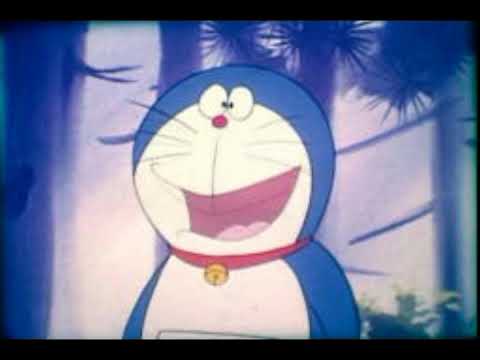
Content related to the first TV adaptation of Fujiko Fujio's "Doraemon", from 1973 and produced by Nippon Television Dōga.
Subscribers
3.36K
Subscriptions
Recent Activity
 |
Jijiジジ
―「日テレ版ドラえもん」の舞台裏を支えた才能たち ―
【11月15日】初代ジャイアン役・肝付兼太さん 生誕91年
本日は、肝付兼太(きもつき かねた)さんの誕生日です。スネ夫役で広く知られる肝付さんですが、その前は、スネ夫の悪友である剛田武(ジャイアン)の初代声優でした。
肝付さんの本名は兼正で、1935年(昭和10年)に鹿児島県揖宿郡喜入町で生まれ、幼少期は東京の各地で過ごしました。
幼い頃から声を使って遊び、ラジオで聞いた落語や、街で耳にしたGI(アメリカ兵)の真似をして周りを笑わせていました。中学・高校時代には俳優になる夢を追い始め、いくつものオーディションを受けたほか、帝京中学校・高等学校では演劇部まで立ち上げました。
高校卒業後は、父親が亡くなったため大学進学を断念しました。劇団七曜会に入団し、同劇団がNHKの仕事に携わっていたことから、ラジオドラマで声の仕事をするようになりました。デビュー作は『婦人の時間』(1954年)、映画では『こぶしの花の咲くころ』(1956年)です。吹き替えの初仕事は、TBSの外国ドラマ『地方検事』でした。
生涯で所属した劇団・事務所は、劇団作品座、桐の会、三光事務所、河の会、俳優企画、東京俳優生活協同組合、江崎事務所、青二プロダクション、ぷろだくしょんバオバブ、劇団がらくた工房、オフィス・ボロ、うぃなぁエンタテイメント、81プロデュースと多岐にわたります。さらに、自身の劇団「21世紀FOX」も旗揚げしました。
肝付さんの声質はテノールで、鹿児島弁と関西弁を話せました。役柄の幅は広く、ガキ大将から年配の男性や老人、さらには老女まで演じました。代表的な役(後述する藤子作品のキャラクターを除く)には、本官さん(『元祖天才バカボン』1975〜77年)、殿馬一人(『ドカベン』1976〜79年)、車掌(『銀河鉄道999』1978〜81年)、007/グレート・ブリテン(『サイボーグ009』1979〜80年)、イヤミ(『おそ松くん』1988〜91年)、ホラーマン(『それいけ!アンパンマン』1990〜2016年)などがあります。日本語吹き替えでは、『トムとジェリー』のトム、『ピノキオ』のジミニー・クリケット、ディズニーのドナルドダックといった役で知られています。
1973年(昭和48年)、青二プロダクションに所属していた肝付さんは、38歳になる前に日本テレビ動画に起用され、藤子不二雄原作『ドラえもん』の最初のテレビアニメ化に参加しました。同作は4月から日本テレビで放送が始まりました。担当したのはガキ大将の剛田武(ジャイアン)で、この役の初代声優となりました。この役に起用されたのは、それ以前に演じたゴジラ(『オバケのQ太郎』1965〜67年)、カバ夫(『パーマン』1967〜68年)、番野(『怪物くん』1968〜69年)の影響である可能性が高いです。いずれもジャイアンに近い、藤子作品のガキ大将タイプのキャラクターです。
放送開始からわずか半年で、この日本テレビ版は突然終了しました。しかし、肝付さんと『ドラえもん』の関わりはこれで終わりではありませんでした。6年後の1979年(昭和54年)、今度はテレビ朝日で新たなアニメ版が放送され、『ドラえもん』が再びお茶の間に戻ってきたからです。この作品で肝付さんは復帰しただけでなく、『ドラえもん』を象徴する存在となりました。演じる役は骨川スネ夫に変わり、26年にわたってテレビアニメだけでなく映画やゲームでも声を担当しました。
そのため、世間では「肝付兼太さんが初代ジャイアン」と聞くと驚く人が多いです。小原乃梨子さんと太田淑子さんも同様で、お二人とも日本テレビ版とテレビ朝日版の両方に出演し、版ごとに役が変わっています。さらに、肝付さん本人もジャイアン役を忘れていたと語り、日本テレビ版は白黒だったとまで言っていました。
肝付さんの後任は、たてかべ和也さん(大山版のジャイアン役、1979〜2005年)と、関智一さん(水田版のスネ夫役、2005年〜現在)です。なお、肝付さん自身はスネ夫役で八代駿さんの後任でした。
特筆すべきは、肝付さんが藤子アニメに数多く出演し、作者お気に入りの声の一つでもあったことです。アニメ化された藤子作品の多くで、主役級からレギュラー、さらには端役や単発のゲストキャラクターまで演じました。以下がその一覧です。
ゴジラ(『オバケのQ太郎』1965〜67年、『新オバケのQ太郎』1971〜72年)
カバ夫(『パーマン』1967〜68年)
番野(『怪物くん』1968〜69年)
タヌ次郎(『新オバケのQ太郎』1971〜72年)
黒べえ(『ジャングル黒べえ』1973年)
剛田武「ジャイアン」(『ドラえもん』1973年)
骨川スネ夫(『ドラえもん』1979〜2005年)
ドラキュラ、郵便屋コンドル(『怪物くん』1980〜82年)
ゴンスケ(『21エモン 宇宙へいらっしゃい!』1981年、『ドラミちゃん ミニドラSOS!!!』1989年)
ケムマキ・ケムゾウ(『忍者ハットリくん』1981〜87年)
大山法善「パーやん」/パーマン4号(『パーマン』1983〜85年、『Pa-Pa-Paザ☆ムービー パーマン』2003年、『Pa-Pa-Pa ザ★ムービー パーマン タコDEポン!アシHAポン!』2004年)
イヌ(『パーマン』1983〜85年)
ハカセ(『オバケのQ太郎』1985〜87年)
富士城カントリーの支配人(『プロゴルファー猿』1988年)
鈴本進一/パパ(『ウルトラB』1987〜89年)
苅野勉三、唐倶利武者、キテレツ斎、源太(『キテレツ大百科』1987〜96年)
漁師(『エスパー魔美』1987年)
鳥野博士(『ビリ犬』1988〜89年)
スネ樹(『ドラミちゃん ミニドラSOS!!!』1989年)
セトフル(『T・Pぼん』1989年)
トンべえ(『パラソルヘンべえ』1989〜91年)
スネ丸(『ドラミちゃん アララ♥少年山賊団!』1991年)
白玉教一(『笑ゥせぇるすまん』1991年)
オナベ、オミソ、ササヤマ星人、キャプテン、刑事A(『21エモン』1991〜92年)
いっぽんぎ幹の介(『ポコニャン』1993〜95年)
#肝付兼太 #ジャイアン #ドラえもん #日テレ版ドラえもん #昭和アニメ #昭和
*****
― The Human Talent Behind the Scenes of Doraemon (1973) ―
November 15th — 91st Birthday of Kaneta Kimotsuki, the first voice actor of Gian
Today marks the birthday of Kaneta Kimotsuki. While widely known for his role as Suneo, before that, he was the original voice actor for Takeshi Gouda (Gian), Suneo's mischievous friend.
Born Kanemasa Kimotsuki in 1935 in Kiire-cho, Ibusuki District, Kagoshima Prefecture, he spent his childhood in various parts of Tokyo.
From a young age, he enjoyed playing with his voice, often making people laugh by imitating rakugo (traditional Japanese comic storytelling) he heard on the radio and GIs (American soldiers) he heard on the city streets. During middle and high school, he began pursuing his dream of becoming an actor, auditioning for numerous roles and even establishing a drama club at Teikyo Middle and High School.
After graduating from high school, he gave up on attending university due to the death of his father. He joined the theater company Shichiyokai, and through the troupe’s work with NHK, he began doing voice acting for radio dramas. His debut work was "Fujin no Jikan" (Women’s Hour) in 1954, and his first film was "Kobushi no Hana no Saku Koro" (When the Magnolia Blooms) in 1956. His first dubbing job was for the foreign drama series "District Attorney", which aired on TBS.
Throughout his career, he belonged to a wide variety of theater companies and agencies, including Gekidan Sakuhinza, Kiri no Kai, Sanko Jimusho, Kawa no Kai, Haiyu Kikaku, the Tokyo Actor’s Consumer Cooperative Society, Ezaki Jimusho, Aoni Production, Production Baobab, Gekidan Garaguta Kobo, Office Boro, Winner Entertainment, and 81 Produce. Furthermore, he founded his own theater company, "21st Century FOX".
Mr. Kimotsuki had a tenor voice and was proficient in both the Kagoshima and Kansai dialects. He played a wide range of roles, from neighborhood bullies to older men, elderly people, and even elderly women. Some of his most representative roles (excluding characters from Fujiko F. Fujio's works, which will be discussed later) include Honkan-san (from "Ganso Tensai Bakabon", 1975-77), Kazuto Tonoma (from "Dokaben", 1976-79), the Conductor (from "Galaxy Express 999", 1978-81), 007/Great Britain (from "Cyborg 009", 1979-80), Iyami (from "Osomatsu-kun", 1988-91), and Horrorman (from "Soreike! Anpanman", 1990-2016). In Japanese-dubbed versions, he is also known for voicing characters such as Tom from "Tom and Jerry", Jiminy Cricket from "Pinocchio", and Disney’s Donald Duck.
In 1973, before turning 38 and while affiliated with Aoni Production, Kimotsuki was cast by Nippon Television Dōga to participate in the first television anime adaptation of Fujiko Fujio's "Doraemon." The series began airing on Nippon TV in April. He voiced the bully Takeshi Gōda "Gian", becoming the first voice actor to portray the character. It is highly likely that he was chosen for this role due to his previous roles as Godzilla ("Obake no Q-Tarō," 1965-67), Kabao ("Perman," 1967-68), and Banno ("Kaibutsu-kun," 1968-69); all of whom were bully archetypes from Fujiko Fujio’s works, similar to Gian.
This Nippon Television version abruptly ended after only six months of broadcasting. However, this was not the end of Kimotsuki’s involvement with "Doraemon". Six years later, in 1979, a new anime version began airing on TV Asahi, and "Doraemon" returned to television screens once again. In this work, Kimotsuki not only returned but also became an iconic figure on the "Doraemon" franchise. He took on the role of Suneo Honekawa, voicing the character for 26 years; not only in the television series, but also in films and video games.
Therefore, many people are surprised to learn the fact that Kaneta Kimotsuki was the original voice of Gian. The same is true for Noriko Ohara and Yoshiko Ōta; both appeared in both the Nippon Television and TV Asahi versions, with their roles changing between versions. Furthermore, Kimotsuki himself even mentioned that he had forgotten he had played Gian, and he even recalled the Nippon TV version as having been in black and white.
Kimotsuki's successors are Kazuya Tatekabe (Gian in the 1979-2005 series) and Tomokazu Seki (Suneo in the current anime series, since 2005). It should also be noted that Kimotsuki himself took over the role of Suneo from Shun Yashiro.
Notably, he appeared in many anime adaptations of works by Fujiko F. Fujio and was one of the author's favorite voice actors. He played a wide variety of roles across many of these adaptations, ranging from lead characters and series regulars to minor parts and one-off guest characters. The following is a list of those roles:
Godzilla (Obake no Q-Tarō, 1965-67; Shin Obake no Q-Tarō, 1971-72)
Kabao (Perman, 1967-68)
Banno (Kaibutsu-kun, 1968-69)
Tanujiro (Shin Obake no Q-Tarō, 1971-72)
Kurobee (Jungle Kurobee, 1973)
Takeshi Gōda "Gian" (Doraemon, 1973)
Suneo Honekawa (Doraemon, 1979-2005)
Dracula, Postman Condor (Kaibutsu-kun, 1980-82)
Gonsuke (21 Emon: Welcome to Space!, 1981; Dorami-chan) Mini Dora SOS!!! (1989)
Kemumaki Kemuzou (Ninja Hattori-kun 1981-87)
Hōzen Ōyama "Pa-yan" / Perman No. 4 (Perman 1983-85, Pa-Pa-Pa The Movie Perman 2003, Pa-Pa-Pa The Movie Perman Tako DE Pon! Ashi HA Pon! (2004)
Dog (Perman, 1983-85)
Hakase (Obake no Q-Tarō, 1985-87)
Manager of the Fuji Castle Country Club (Pro Golfer Saru, 1988)
Shinichi Suzumoto/Dad (Ultra B, 1987-89)
Karino Benzō , Karakuri Musha, Kiteretsusai, Genta (Kiteretsu Encyclopedia, 1987-96)
Fisherman (Esper Mami, 1987)
Dr. Torino (Biri-ken, 1988-89)
Suneki (Dorami-chan Mini Dora SOS!!!, 1989)
Setofuru (T.P. Bon, 1989)
Tonbee (Parasol Henbee, 1989-91)
Sunemaru (Dorami-chan: Arara ♥ The Boy Bandit Gang!, 1991)
Kyōichi Shiratama (The Laughing Salesman, 1991)
Onabe, Omiso, Sasayama Alien, Captain, Detective A (21Emon, 1991-92)
Ippongi Kannosuke (Pokonyan, 1993-95)
#KanetaKimotsuki #Doraemon
 |
|
|
Jijiジジ
日テレ版ドラえもん「集合絵」ファンアート
我成先生・ジャイアンのパパ(小助)・静香のパパ・静香のママ・ボタ子・ジャイアン・静香・ガチャ子・ドラえもん・のび太・セワシ・スネ夫・玉子(のび太のママ)・のび助(のび太のパパ)・スネ夫のママ・スネ夫のパパ
1973 Doraemon "Group Picture" Fan-art
Mr. Ganari - Gian's father (Kosuke) - Shizuka's father - Shizuka's mother - Botako - Gian - Shizuka - Gachako - Doraemon - Nobita - Sewashi - Suneo - Tamako (Nobita's mother) - Nobisuke (Nobita's father) - Suneo's mother - Suneo's father
pixiv:
https://www.pixiv.net/artworks/151336141
#ドラえもん #Doraemon
 |
|
|
Jijiジジ
―「日テレ版ドラえもん」の舞台裏を支えた才能たち ―
【10月25日】2代目ドラえもん役・野沢雅子さん、90歳のお誕生日おめでとうございます!
今日は、伝説的な声優・野沢雅子(のざわ まさこ)さんの90歳の誕生日です。野沢さんはドラえもんの2代目の声を務め、女性として初めてドラえもんを演じました。また、日本テレビ版の前半では、源家のうっとうしいお手伝いさん・ボタ子の声も担当していました。
野沢さんは1936年(昭和11年)、荒川区日暮里に生まれました。父は画家の野沢蓼洲、母は野沢鶴で、松竹の映画女優・佐々木清野は叔母にあたります。野沢さんが映画の世界に入るきっかけを作ったのはこの叔母で、わずか3歳のときのことでした。子役として活動し始めた最初の数年間は、叔母がマネージャーも務めていました。児童劇団には所属していませんでした。
それ以来、芸能の世界に関わり続けてきました。舞台芸術や三味線が好きで、両親によく歌舞伎や新派の芝居に連れて行ってもらい、これがのちに俳優の道に進む決断に影響しました。その間も映画やラジオドラマに出演していましたが、それは学校に行かないときだけでした。高校時代には、叔母がNHKのプロデューサーを紹介してくれたおかげで、劇団東芸に入団しました。
それから数年後、卒業を前に、プロの女優になるか大学に進学するかという選択を迫られました。父と叔母が望んでいたのは、大学進学のほうでした。それでも野沢さんは、俳優の道に進みたいという気持ちを曲げませんでした。友人に勧められた劇団に魅了され、内緒で通っていたからです。その信念に従って、プロとして活動するために上京しました。
所属先には、青二プロダクション(創設メンバー、現在の所属)、ぷろだくしょんバオバブ(創設メンバー)、81プロデュース、オフィス野沢(吉田理保子さんと共同設立)などがあります。現在は、劇団ムーンライトの主宰と、日本俳優連合の副理事長を務めています。
アルトの声を持つ野沢さんの声優としての長いキャリアは、10代の終わり頃に始まりました。皮肉なことに、本人は声優デビュー作が正確には何だったのか覚えていませんが、洋画だったことは分かっています。アニメでは、『鉄腕アトム』(1963年)の端役でデビューし、有尾人の女王の子供や国際電話局ロボットなどを演じました。初のレギュラー役は『宇宙パトロールホッパ』(1965年)のプー、初の主役は『ゲゲゲの鬼太郎』(1968〜69年)の鬼太郎です。
代表的なキャラクターには、鬼太郎(『ゲゲゲの鬼太郎』1968〜69年版・1971〜72年版、『墓場鬼太郎』2008年、ほか)、風大左衛門「大ちゃん」(『いなかっぺ大将』1970〜72年)、貝塚ひろし(『ど根性ガエル』1972〜74年版・1981〜82年版)、ガンバ(『ガンバの冒険』1975年)、ウイリー(『みつばちマーヤの冒険』1975〜76年、『新みつばちマーヤの冒険』1982〜83年)、星野鉄郎(『銀河鉄道999』1979〜81年)、孫悟空・孫悟飯・孫悟天ほか(『ドラゴンボール』シリーズ、1986年〜)、ギルモン(『デジモンテイマーズ』2001〜02年)など、数多くあります。これらのうち、世界的にもっとも重要な役は、おそらく孫悟空でしょう。国際的な知名度と評価をもたらした役だからです。
青二プロダクション所属の野沢さんは、1973年、36歳のときに、『ドラえもん』初のテレビアニメ(日本テレビ系列で放送、制作は日本テレビ動画)でボタ子の声に選ばれました。ボタ子は原作では1度しか登場しない女性キャラクターでしたが、アニメ化にあたってレギュラーキャラクターとなり、出番が増えました。設定も一部変更され、静香の家に住み込みで働くお手伝いさんとなり、なまりのある話し方をするようになりました。そのため、人によっては、野沢さんの演技が「『いなかっぺ大将』の女性版」のように聞こえたようです。
同じ年の6月になると、スタジオ側は番組の後半で視聴率を上げる必要に迫られました。そこで、放送局側の要望により、急な方針転換として、主人公ドラえもんの声まで変えることにしました。当時ドラえもんを演じていたのは、富田耕生さんです。富田さんのドラえもんは、「世話好きなおじさん」のような従順な性格が特徴でしたが、これを「のび太の年齢に合わせた」性格に変えれば視聴者が増えると考えられたのです。その後任に、7月から野沢さんが選ばれました。野沢さんの演技でドラえもんの性格は一変し、より元気で活発、そして怒りっぽくなって、ドタバタ喜劇のような笑いの場面が生まれやすくなりました。このとき野沢さんはボタ子の役を降板し、後任は不明とされています。
こうして野沢雅子さんは、女性として初めてドラえもんの声を演じた人になりました。今でも多くの人を驚かせる事実ですが、それも無理はありません。この作品は封印作品で、6か月の放送期間のうち、野沢さんが演じたのは3か月だけだからです。それでも1976年には、アーモンドグリコのCMで短期間だけ再びドラえもんを演じており、これが公式に演じた最後の機会です。数十年後、この経験について何度か尋ねられた野沢さんは、「白黒の作品だった」と答えていますが、これは誤りです。また、『1億人の大質問!?笑ってコラえて!』(日本テレビ、2013年)や『あさイチ』(NHK総合、2015年)といった番組でも、ドラえもんの声で短いセリフを話しています。
しかし、野沢さんとドラえもんの世界との関わりは、あの忘れられた版だけにとどまりません。映画にはゲスト出演し、ログ(『のび太の宇宙漂流記』1999年)、クルリンパ(『のび太とロボット王国』2002年)、子供時代の野比のび助、ダッケ(『のび太と奇跡の島 〜アニマル アドベンチャー〜』2012年)を演じました。ダッケについては、この映画のニンテンドー3DS用ゲームでも声を担当しています。また、大山版が始まった後も、ドラえもん関連の非公式な楽曲に参加しており、『ドラえもん・えかきうた』と『ドラえもん音頭』では歌手として、『ドラえもんのうた』(歌:竹田瑛理)ではドラえもんのセリフを担当しています。
藤子アニメでは、野沢さんはすでに、この漫画家コンビ初のテレビアニメ化作品『オバケのQ太郎』(1965年)で、正太の兄・大原伸一「伸ちゃん」を演じていました。ほかの藤子アニメでの役は、クローばあやと端役(『怪物くん』1968〜69年)、怪物くん(『怪物くん』1980〜82年)、猿丸(『プロゴルファー猿』1982年)、メカマロ(『忍者ハットリくん ニンニンふるさと大作戦の巻』1983年)、バァビィー(『モジャ公』1997年)です。
#野沢雅子 #ドラえもん #日テレ版ドラえもん #昭和アニメ #昭和
*****
― The Human Talent Behind the Scenes of Doraemon (1973) ―
October 25th — Happy 90th Birthday, Masako Nozawa! The second person to voice Doraemon
Today marks the 90th birthday of legendary voice actress Masako Nozawa. She was the second person to ever voice Doraemon, and the first woman to do it. She also voiced Botako, the annoying maid of the Minamoto family, in the first half of the 1973 version.
Nozawa was born in 1936 in Nippori, Arakawa Ward. Her father was the painter Ryōshū Nozawa, and her mother was Tsuru Nozawa. Shochiku film actress Kiyono Sasaki was her aunt. It was this aunt who gave Nozawa her start in the film world when she was just three years old. For the first few years of her career as a child actress, Sasaki also served as her manager. She wasn't affiliated with any children's theater company.
Since then, she has remained involved in the entertainment world. She developed a love for the performing arts and the shamisen (traditional Japanese stringed instrument), and her parents frequently took her to see Kabuki and Shinpa (modern-style) theater, which were experiences that later influenced her decision to pursue acting. During that time, Nozawa also appeared in films and radio dramas, though only when she was not in school. In high school, thanks to her aunt introducing her to an NHK producer, she joined the Togei Theater Company.
Several years later, before graduation, she was faced with the choice of becoming a professional actress or going to university. That is what her father and aunt wanted. Even so, Nozawa didn't waver from her desire to become an actress. She was captivated by a theater company recommended by a friend, where she secretly attended their rehearsals. Following that conviction, she moved to Tokyo to pursue a professional acting career.
Her affiliations include Aoni Production (founding member, current affiliation), Production Baobab (founding member), 81 Produce, and Office Nozawa (co-founded with Rihoko Yoshida). Currently, she is the head of the Moonlight Theater Company and the vice-chairwoman of the Japan Actors Union.
Nozawa, whose voice range is alto, began her long career as a voice actress in her late teens. Ironically, she doesn't remember exactly what her first voice acting role was, but she knows it was a foreign film. In anime, she debuted with minor roles in “Astro Boy” (1963), playing characters such as the Child of the Tailed People Queen and the International Telephone Exchange Robot. Her first regular role was as Poo in “Space Patrol Hopper” (1965), and her first leading role was as Kitarō in “GeGeGe no Kitarō” (1968-69).
Some of the most representative characters include Kitarō (“GeGeGe no Kitarō”, 1968-69 and 1971-72 versions; “Hakaba Kitaro”, 2008; and other), Kaze Daizaemon "Dai-chan" (Inakappe Taishō, 1970-72), Kaizuka Hiroshi (The Gutsy Frog, 1972-74 and 1981-82 versions), Gamba (“The Adventures of Gamba”, 1975), Willie (“Maya the Bee”, 1975-76; “New Maya the Bee Adventures”, 1982-83), Hoshino Tetsurō (“Galaxy Express 999”, 1979-81), Son Goku, Son Gohan, Son Goten, others (“Dragon Ball” series, 1986-), Guilmon (“Digimon: Digital Monsters”, 2001-02), and many others. Of these, perhaps the most important in a global scale is Son Goku, as it is the role that brought her international recognition and acclaim.
In 1973, at the age of 36, Nozawa, who belonged to Aoni Production, was chosen to voice Botako in the first ever Doraemon television anime (broadcast on the Nippon Television Network, produced by Nippon Television Dōga). Botako was a female character who only appeared once in the original manga, but in the anime adaptation, she became a regular character with increased screen time. Her character setting was also modified; she became a live-in maid at Shizuka's house and spoke with a regional accent. Because of this, some people apparently heard Nozawa's performance as sounding like a “female version of Inakappe Taishō".
In June of the same year, the studio was under pressure to increase viewership ratings in the latter half of the program. Therefore, at the request of the broadcasting station, a sudden change in direction was implemented, which implied replacing the voice of the protagonist, Doraemon. At that time, Kōsei Tomita was in charge of Doraemon. Tomita's Doraemon was characterized by a docile personality, like a "caring uncle/older man", but it was believed that shifting this to a personality more in line with Nobita’s own age would help increase viewership. Nozawa was chosen as his successor, starting in July. Her performance completely transformed Doraemon's personality, making him more energetic, lively, and quick-tempered, which made it easier to have more slapstick-comedy-like scenes. At the same time, Nozawa stepped down from the role of Botako, and her successor remains unknown.
Thus, Masako Nozawa became the first woman to voice Doraemon. This is a fact that still surprises many, and for an understandable reason. This series is a "banned" or “hidden” production, and Nozawa only voiced the character for three months out of its six-month broadcast period. Nevertheless, in 1976, she briefly voiced Doraemon again in an Almond Glico commercial, which was her last official appearance. Decades later, when asked about this experience, Nozawa incorrectly replied that it was a "black and white production". Furthermore, she has spoken short lines in Doraemon's voice on programs such as “1-Oku-nin no Dai-shitsumon!? Waratte Koraete!” (trans. ‘100 Million People's Big Questions!? Laugh and Endure!’; Nippon Television, 2013) and "Asaichi" (NHK General, 2015).
However, Nozawa's connection to the Doraemon universe is not limited to that forgotten version. She has made guest appearances in films, voicing Log ("Nobita's Space Drifting Chronicles," 1999); Kururinpa ("Nobita and the Robot Kingdom," 2002); young Nobisuke Nobi and Dakke ("Nobita and the Island of Miracles: Animal Adventure," 2012). She also provided the voice for Dakke in the Nintendo 3DS game based on the latter film. Furthermore, even after the 1979 version began, she participated in unofficial Doraemon-related songs, singing "Doraemon’s Drawing Song" and "Doraemon Ondo," and providing Doraemon's spoken lines in "Doraemon no Uta" (sung by Eri Takeda).
In other Fujiko anime, Nozawa had already voiced Shinichi Ohara, "Shin-chan," Shota's older brother, in "Obake no Q-taro" (1965), the first television anime adaptation of any manga created by the duo. Other roles in Fujiko anime include Grandma Kuro and minor characters ("Kaibutsu-kun”, 1968-69), Kaibutsu-kun ("Kaibutsu-kun”, 1980-82), Sarumaru ("Pro Golfer Saru", 1982), Mekamaro ("Ninja Hattori-kun: Nin-Nin Furusato Daisakusen no Maki", 1983), and Barbie ("Mojacko," 1997).
#MasakoNozawa #Doraemon
 |
|
|
Jijiジジ
―「日テレ版ドラえもん」の舞台裏を支えた才能たち ―
【10月2日】初代野比玉子役・小原乃梨子さん 生誕91年
10月2日は、のび太の象徴的な声になる前に、日テレ版でそのママである玉子に初めて声を当てた伝説的な声優、小原乃梨子(おはら のりこ)さんの誕生日を記念する日です。
小原さんは、1935年(昭和10年)に東京の池袋で生まれました。芸能を好んだ弁護士の父・小原栄次さんの三子(次女)として生まれ、姉妹とともにその世界へと導かれました。また、母親がカトリック教徒であったため、毎週日曜日は欠かさず教会へ通って礼拝に参加するだけでなく、教会の様々な活動にも加わっていました。父親の影響もあり、読書にも深い関心を持っていました。
舞台との最初の接点は、近所の友人に誘われて児童合唱団「虹の橋」に入ったことでした。父親が反対していたため、母親の助けを借りて内緒で通っていました。当時は本への情熱から、作家になることも考えていたそうです。その後、中高時代にルイーザ・メイ・オルコットの『若草物語』の映画版に影響を受けたこともあり、演劇や芝居の世界に深くのめり込んでいきました。
演技における成長は、まだ学生だった頃、テレビドラマの黎明期に働き始めたことから始まりました。ベテラン女優に囲まれた劇団に入団し、舞台でより多くの経験を積みました。この時期に、舞台、テレビドラマ、そして声優や吹き替えと、活動の幅が広がっていきました。その中で最終的に声優の道に専念することを選んだのは、子育てをしながらでも時間を管理しやすかったためです。
その後、声優や吹き替えの分野で長いキャリアを築いた後、1988年頃から童話の朗読や講演を始めました。これが発展し、1998年には『小原乃梨子の読み聞かせ講座』として全国規模へと活動を拡大することになりました。
その長い経歴の中で、テアトル・ジェンヌ、プレーヤーズ・センター、東京プロ、りんどうプロ、高松事務所、青二プロダクション、ぷろだくしょんバオバブ、81プロデュースと、複数の事務所に所属しました。
声優・吹き替えの分野において、小原さんは『ポパイ』の吹き替えでの脇役からキャリアをスタートさせました。その後の幅広い活躍により、業界で最も認知された声の一つとなりました。『ハリスの旋風』(1966〜67年)や『国松さまのお通りだい』(1971〜72年)のメガネ、『ワンサくん』(1973年)のワンサ、『アルプスの少女ハイジ』(1974年)のペーター、『アラビアンナイト シンドバットの冒険』(1975〜76年)のシンドバット、『タイムボカン』(1975〜76年ほか)のマージョ、『ヤッターマン』(1977〜79年ほか)のドロンジョ、『未来少年コナン』(1978年)のコナン、『うる星やつら』(1981〜86年)のおユキ、『超時空要塞マクロス』(1982〜83年)のクローディア・ラサールなど、数多くのキャラクターに命を吹き込みました。さらに、ブリジット・バルドー、シャーリー・マクレーン、ジェーン・フォンダなどの女優が演じた洋画の吹き替えも担当しました。
1973年、青二プロダクションに所属していた37歳の時に、テレビアニメ第1作の『ドラえもん』でのび太のママである野比玉子というキャラクターに声を当てた最初の人物となりました。小原さんが演じた玉子は、まだ厳格な性格が定着していなかった初期の原作の雰囲気に影響を受けていたため、より優しく、理解のあるトーンでした。
運命の不思議な巡り合わせにより『ドラえもん』の世界に留まることになりましたが、1978年のテレビ朝日版のパイロット版から、野比のび太本人の声を担当するというさらに大きな責任を担うことになりました。テレビシリーズ自体は1979年に始まり、大山のぶ代さんが「ドラえもん」と言えば思い浮かぶ声であるように、小原さんも26年間にわたり「のび太」と言えば誰もが思い浮かべる声となりました。のび太というキャラクターを通じて、第14回日本映画批評家大賞の田山力哉賞(2005年)、第11回アニメーション神戸の特別賞(2006年)、東京国際アニメフェアの第3回功労賞(2007年)など、他のキャスト陣とともに数々の賞を受賞しました。2005年のリニューアルに伴い、のび太役は大原めぐみさんに引き継がれました。
『ドラえもん』の作中では、野比ノビスケ(のび太の息子)やのび太の孫の声も担当しました。そのため、『ドラえもん』の世界で小原さんが演じたキャラクターはすべて、のび太の家系(玉子→のび太→ノビスケ→のび太の孫)に連なる人物であるという、興味深い事実が残されています。
#小原乃梨子 #ドラえもん #日テレ版ドラえもん #野比玉子 #昭和アニメ #昭和
*****
― The Human Talent Behind the Scenes of Doraemon (1973) ―
October 2nd — 91st Birthday of Noriko Ohara, the first voice actress of Tamako Nobi
October 2nd marks the birthday of the legendary voice actress Noriko Ohara. Before becoming the iconic voice of Nobita, she was the first to voice his mother, Tamako, in the 1973 version of the series.
Ohara was born in 1935 in Ikebukuro, Tokyo. She was the third child (and second daughter) of Eiji Ohara, a lawyer with a love for the performing arts; she and her sisters were guided into that world. As her mother was a Catholic, she attended church services every Sunday and participated in various church activities. Influenced by her father, she also developed a deep interest in reading.
Her first connection to the stage came when a neighborhood friend invited her to join the "Niji no Hashi" (trans. 'Rainbow Bridge') children's choir. Because her father opposed it, she attended secretly with her mother's help. Driven by her passion for books, she reportedly even considered becoming an author at one point. Later, during her junior high and high school years, she became deeply immersed in the world of theater and acting, partly inspired by the film adaptation of Louisa May Alcott's "Little Women".
Her growth as an actress began while she was still a student, working during the early days of the television drama era. She joined a theater troupe surrounded by veteran actresses, gaining more stage experience. During this period, her activities expanded to include stage productions, TV dramas, voice acting, and dubbing. She ultimately chose to dedicate herself to voice acting because it offered greater flexibility in managing her time while raising children.
After building a long career in voice acting and dubbing, she began giving lectures and performing dramatic readings of children's stories around 1988. This initiative evolved, and in 1998, her activities expanded nationwide with "Noriko Ohara's Storytelling Workshop".
Over the course of her extensive career, she was affiliated with several agencies, including Théâtre Jenne, Players Center, Tokyo Pro, Rindo Pro, Takamatsu Office, Aoni Production, Production Baobab, and 81 Produce.
In the fields of voice acting and dubbing, Ohara began her career playing minor roles in the Japanese dub of "Popeye". Her subsequent wide-ranging work established her as one of the most recognizable voices in the industry. She voiced numerous characters, such as Megane in "Harris no Kaze" (1966–67) and "Kunimatsu-sama no O-tōridai" (1971–72), Wansa in "Wansa-kun" (1973), Peter in "Heidi, Girl of the Alps" (1974), Sinbad in "Arabian Nights: Sinbad's Adventures" (1975–76), Marjo in "Time Bokan" (1975–76, others), Doronjo in "Yatterman" (1977–79, others), Conan in "Future Boy Conan" (1978), Oyuki in "Urusei Yatsura" (1981–86), and Claudia LaSalle in "The Super Dimension Fortress Macross" (1982–83). Additionally, she provided the Japanese voices for actresses such as Brigitte Bardot, Shirley MacLaine, and Jane Fonda in foreign films.
In 1973, at the age of 37 and while affiliated with Aoni Production, she became the first voice actor to portray Tamako Nobi, Nobita's mother, in the first television anime adaptation of "Doraemon". Ohara's Tamako was influenced by the early manga's atmosphere, before her strict personality was fully established, resulting in a gentler, more understanding tone.
Through a remarkable twist of fate, she remained part of the "Doraemon" world: starting with the 1978 TV Asahi pilot episode, she took on the even greater responsibility of voicing Nobita Nobi himself. The TV series proper began in 1979, and just as Nobuyo Oyama became the definitive voice associated with Doraemon, Ohara became the voice everyone associated with Nobita over the course of 26 years. For her portrayal of Nobita, she, along with the rest of the cast, received numerous awards, including the Rikiya Tayama Award at the 14th Japan Movie Critics Awards (2005), a Special Award at the 11th Animation Kobe Awards (2006), and the 3rd Achievement Award at the Tokyo International Anime Fair (2007). Following the series' renewal in 2005, the role of Nobita was passed on to Megumi Ōhara.
Within the "Doraemon" series, she also voiced Nobisuke Nobi (Nobita's son) and Nobita's grandson. Therefore, it's an interesting fact that all the characters Ohara voiced in the world of "Doraemon" are related to Nobita's family lineage (Tamako → Nobita → Nobisuke → Nobita's grandson).
#NorikoOhara #Doraemon
ボイスサンプル(野比玉子)・Voice Sample (Tamako Nobi):
https://youtube.com/shorts/VMnYqfdH4O...
 |
|
Friends
Channel Comments
There are no comments for this user.
Add comment